

West Midlands
Worcestershire
Established in 2015 in Malvern, Worcestershire, Rock Davidson Associates [RDA] directed by Louisa Davidson is a consultancy providing professional and independent advice and heritage reports. RDA serve the Counties of Worcestershire, Herefordshire, Gloucestershire and The Cotswolds, Warwickshire and Oxfordshire
We offer the following:-
BUILT HERITAGE ASSESSMENT TUDOR HOUSE MUSEUM GDII*, 38-42 FRIAR STREET WORCESTER WR1 2NA PLUS ADDENDUM
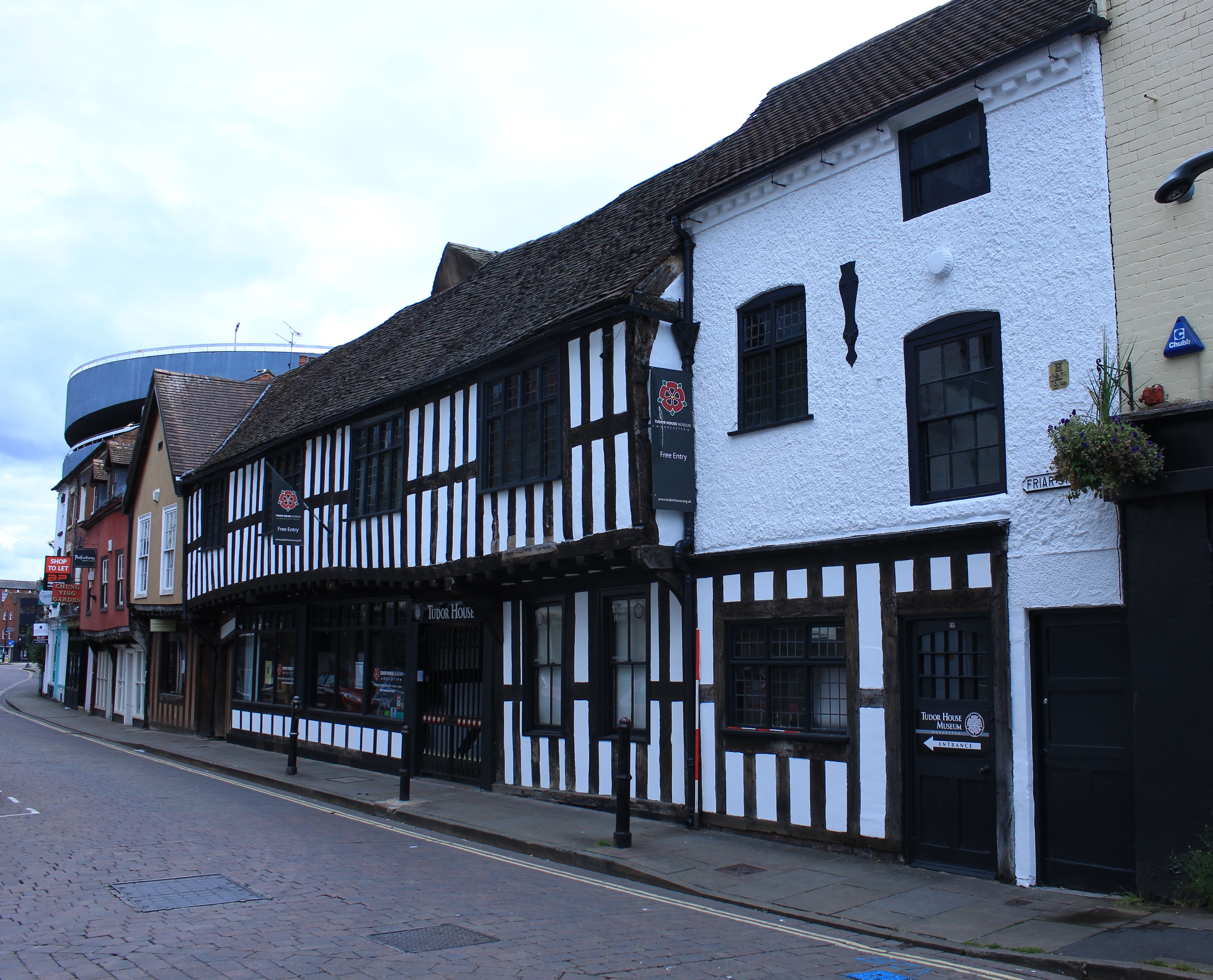
Location : WORCESTER CITY
CLIENT: WORCESTER HERITAGE AND AMENITY TRUST, REGISTERED CHARITY 1103730
RDA provided this Built Heritage Assessment and Level 2 Building Recording as part of a Heritage Lottery Funding grant for the 475 year old building. This was to aid in the interpretation for the Museum concerning the building historically and architecturally. Since the 1970s this building has been open to the public as a Museum. The extensive RDA reports found that Tudor House, No 38-42 Friar Street, had been a weavers/ merchants houses/a brew house, and the Cross Keys Tavern. In 1910 it was bought by Richard Cadbury [3rd son of the Richard Cadbury of the Cadbury Brothers chocolate factory in Bournville, Birmingham] and converted to use as a coffee house, bakery and meeting rooms. The building was then bought and run by Worcester City Council in the 1920s-1970s, and was used as a school clinic, along with education offices and dentist, and finally later in the 1970s, still in the ownership of the Council, the building was opened as a folk museum and the ‘Tudor House Museum’ as it is today.
The main buildings, especially cellars and attic rooms, yield high architectural evidence of the buildings earlier uses, along with a good evidential example of a 17th century ceiling on the first floor in the ‘Tudor Room’ that reflect the GDII* listed status. Many of the former outbuildings and gable wings were lost in the mid-twentieth Century, with the development of the 1960s multi-storey car park and the rear elevations reflect this as surviving remnants of former 16th century, 17th century gable wings. Much of the Yeates and Jones’s Architects 1910 -1913 new buildings, instructed by Richard Cadbury, were also lost to the car park development, but a toilet block and external staircase remain and is a reminder of this phase of the buildings evolution. It was during this time that the main building underwent a major internal reconfiguration, with changes to external fenestration and shop front, having been formally three dwellings, and later inclusion of no 38 as a fourth, was opened up as one building. Although complex undertaking to analyse architecturally, the changes to the buildings can still be read, as principally of three dwellings with attached building at 38, only one second floor staircase remains from the 17th century /18th century and the principal stairs constructed in 1910, via new evidence from RDA, serves the four former dwellings and was part of these major alterations. It was also during this time major alterations were undertaken to the two central stone chimney stacks to number 42, involving the construction of this principal staircase. A good set of architecturally significant and rare early 20th century radiators remain in most rooms to ground floor and first floor manufactured by the American Radiator Company, RDA sourced help from the CIBSE Heritage Group to identify these.
There are historical connections to the 17th century weavers in the form of the evidential inventories from the 17th century and historical sources of the many publicans who resided and worked at ‘The Cross Keys Tavern’ until 1909. More famously the buildings have connection to Richard Cadbury, 3rd son of the Richard Cadbury who, together with his brother George, founded the Cadbury Brothers chocolate factory in Bournville, Birmingham. Richard was a Quaker and member of the Temperance Movement, who sought to better the lives of the poorer people of Worcester in the early 20th century. Although his time in the ownership of 38-40 and 42 was short-lived, he and his architects, Yeates & Jones Architects of Worcester, undertook the most radical changes that 38-40 and 42 had seen in its history and evolution in 1910. There are further historical associations to when the building was used as a school clinic and dentist and education offices but not much historical illustrative or associated evidence of these past uses are evident. For over 50 years the building has been used as a community Museum, it is this use that has the most communal value.
Project - Historic building conservation, Building recording, Conservation planning, Historical research
Available on Ads Library Contractors page
https://archaeologydataservice.ac.uk/library/browse/series.xhtml?recordId=1000663
https://archaeologydataservice.ac.uk/
HERITAGE ASSESSMENT - THE OSTRICH INN, NEWLAND, GL16 8NP
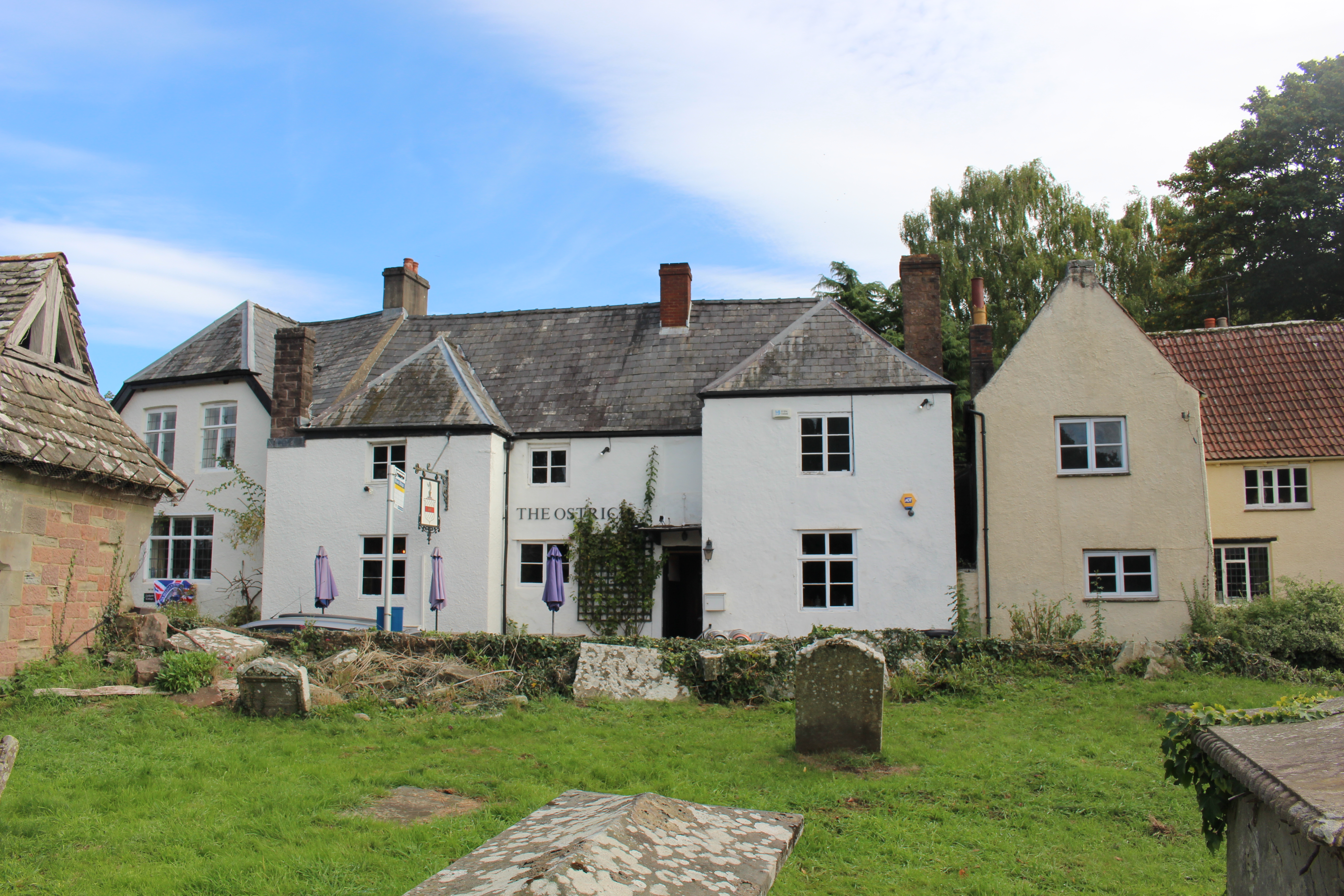
Location : Newland, GL16 8NP Forest of Dean
Client: Private
RDA was commissioned to undertake a HERITAGE ASSESSMENT and BUILDING RECORDING LEVEL 2 of the Ostrich Inn, a working public house and a GDII listed building. This report included commissioning an HER search from Gloucester Archaeology and included : A Brief Historical Background of Newland Village; Setting and Vistas, History of the site; The Ostrich Inn, including archive research; A map regression exercise; collating the information and transcribing deeds; planning history; an equivalent of a Level 2 Building Recording Survey on site of Cellar, GF spaces and FF bedrooms, Roof. [where accessible] [Ref Historic England Guidance A Guide to Good Recording Practice Published 24 May 2016] Written Building Descriptions and Analysis with RDA photographs were provided in this report using plans 'as existing'; Phasing was carried out where possible of the different architectural periods; external and interior analysis; A Traffic light of architectural significance was provided of all areas and rooms; Low/ Medium/ High, An Assessment of Significance-Historical Value; Evidential/Architectural Value; Setting/Group Value; Community Value, and a Statement of Significance; Conclusion and Conservation Advice. This enabled a listed building application to be submitted whereby the LPA gained knowledge about the heritage of the site and could make an informed decision for some changes that was subsequently approved
Type of project and conservation input Historic building conservation, Historical research, Heritage assessment etc
Web links to the project: Heritage Assessment The Ostrich Inn, Newland, GL16 8NP United Kingdom
A CONSERVATION MANAGEMENT PLAN FOR GREAT WITLEY CHURCH OF ST MICHAEL AND ALL ANGELS IN THE DIOCESE OF WORCESTER
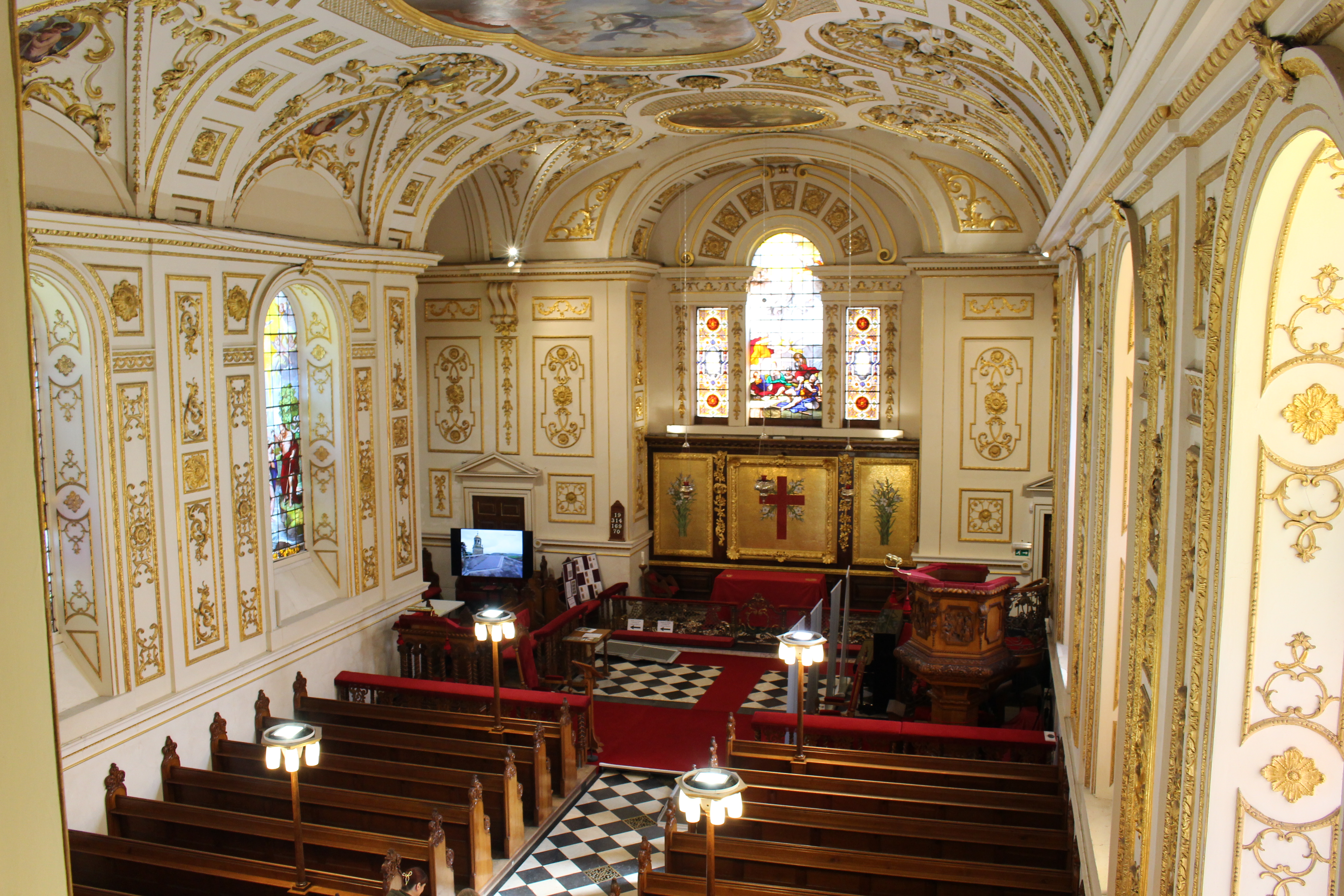
Location : Great Witley Worcestershire Witley Court Estate Great Witley Worcestershire WR6 6JT
Client: Church PCC Parochial Church Council Witley and Shrawley
This document is a detailed Conservation Management Plan (CMP) for GDI St Michael and All Angels Church, Great Witley, Worcestershire, England. A ‘major’ church. These are churches of exceptional architectural or historic significance, and their role is beyond that of a typical parish church. The RDA CMP provides an extensive overview of the church's history, architectural significance, setting within Witley Court, managed by English Heritage, and the surrounding churchyard and gardens. [The Church is owned separately to English Heritage.] The CMP serves as a working guide for the care, management with detailed policies, and future conservation of the church and its environment, integrating historical research, site inspections, and stakeholder input.
St Michael and All Angels Church was rebuilt in 1735, replacing a medieval predecessor. The interior is renowned for its Baroque style with lavish white and gold papier-mâché decoration, ceiling paintings by Antonio Bellucci, and painted glass windows by Joshua Price, all acquired from the Duke of Chandos's chapel at Canons. The exterior was refaced in limestone ashlar in the mid-19th century by architect Samuel Daukes to harmonize with Witley Court's Italianate style. The church is one of only four Major Churches in Worcestershire and is exceptional for its architectural, historical, and community significance.
RDAs comprehensive Conservation Management Plan for St Michael and All Angels Church, Great Witley, details its historical, architectural, and cultural significance, as well as giving practical considerations for its ongoing preservation within the provided Gazetteers with recommendations and a set of detailed management policies
Project - Historic building conservation, Conservation planning, Historical research, Heritage assessment
https://archaeologydataservice.ac.uk/library/browse/issue.xhtml?recordId=1254944
Name: Louisa Davidson
Job title: Director
Tel: 01684 568322
Historic Building conservation YES
Conservation planning YES
Architectural design and new build in historic areas
Historical research YES
Historic area assessments YES
Project Management
Archaeology [Standing Building Recording] YES
Climate change adaption Independent advisory service and assessment reports for possible energy efficiency measures especially for listed buildings with our knowledge of historic buildings and how they work, and with the NONC Level 3 award in energy efficiency measures for older buildings. NONC Level 3 Award in Energy Efficiency Measures for Older and Traditional Buildings.
Other